Stuck in a stressful role? Discover how to recover from burnout using micro-boundaries and “quiet recovery” strategies while staying employed.
Recovering from burnout when you cannot quit your job can feel like being stuck in a cycle you cannot escape. You are exhausted, mentally drained, and running on autopilot, yet responsibilities at work and home keep going.
This guide will walk you through how to recognize burnout symptoms, protect your energy at work, and slowly rebuild your emotional and physical well-being, even if leaving your job is not an option right now.
If you have been silently struggling, this is your reminder that healing is still possible in small, realistic steps that fit into your actual life.
What Burnout Really Feels Like When You’re Still Working Full-Time
Burnout is often misunderstood as simple tiredness, but it runs much deeper than that. It is a gradual depletion of emotional, physical, and mental energy caused by long-term stress without enough recovery time. The most confusing part is that you can still function, show up, and complete responsibilities while feeling completely drained inside.
Many people describe burnout as living in a constant state of “running on low battery.” Even basic tasks require more effort than usual, and there is rarely a feeling of true rest, even after sleeping or taking time off. Over time, this creates a sense of detachment from both work and personal life.
Common lived experiences include:
- Feeling mentally foggy even during simple decisions
- Waking up already tired, no matter how long you slept
- Losing interest in work tasks and personal activities
- Feeling emotionally flat, distant, or disconnected
- Struggling to feel motivated even for things you used to enjoy
What makes burnout especially difficult is that it is invisible from the outside. You may still appear “functional,” but internally, you feel like you are slowly shutting down. This disconnect often delays recognition and makes it harder to seek support early.
Burnout usually develops gradually over time, not suddenly. It builds when stress becomes constant and recovery becomes rare.
Feeling Burnt Out? 7 Shocking Ways to Get Your Spark Back
Why You Feel Burned Out but Can’t Quit Your Job
One of the most frustrating parts of burnout is feeling trapped between survival and rest. You are aware that something is wrong, but your responsibilities do not allow you to step away.

For many people, work is not optional. It provides financial stability, structure, and security. Even when the job is emotionally draining, it still supports essential parts of life.
Common reasons people feel unable to leave include:
- Financial pressure and ongoing bills
- Supporting family members or dependents
- Limited alternative job opportunities
- Fear of instability or starting over
- Benefits or healthcare tied to employment
This creates a psychological conflict. Your mind is asking for rest, but your reality demands continued performance. Over time, this tension becomes exhausting in itself.
Because of this, burnout recovery in this situation cannot rely on escape. Instead, it focuses on reducing internal pressure while maintaining external responsibilities. It is about learning how to survive without constantly depleting yourself in the process.
Signs You Are Experiencing Burnout While Still Functioning
Burnout does not always show up as collapse or breakdown. In many cases, it looks like “normal functioning” on the outside while feeling heavy and disconnected internally.
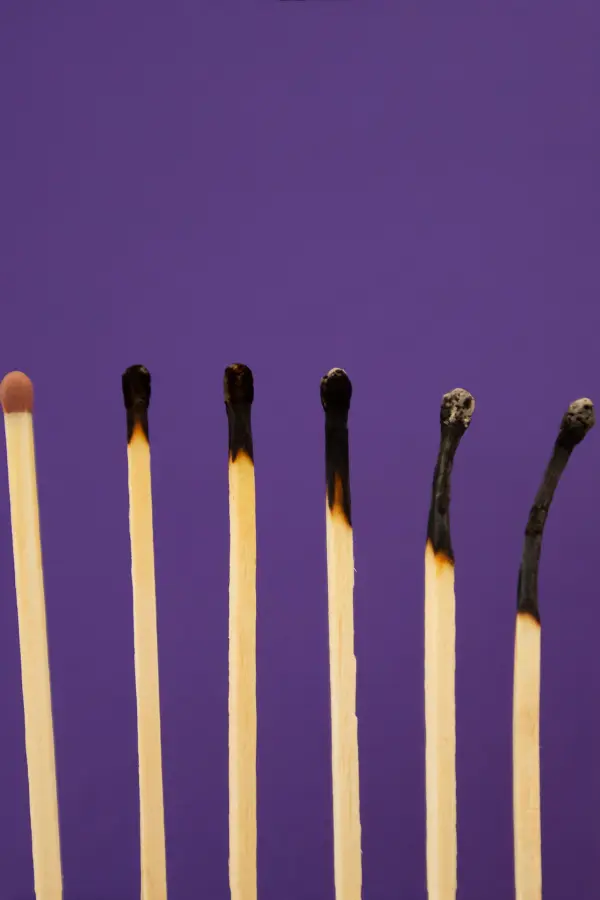
It often affects emotional, physical, and mental health at the same time, which is why it can be easy to overlook until it becomes severe.
Emotional Signs of Burnout
Emotionally, burnout often creates distance between you and your feelings. You may still interact with others, but it feels muted or effortful rather than natural.
Over time, you may notice a gradual loss of emotional responsiveness. Things that once felt meaningful may no longer trigger excitement, while small frustrations feel disproportionately intense.
This emotional shift can also impact relationships. Conversations may feel draining, and social interactions may start to feel like obligations rather than connection.
Common emotional signs include:
- Feeling emotionally numb or disconnected from yourself
- Becoming easily irritated or overwhelmed by small things
- Losing interest in activities that once felt meaningful
- Feeling detached in relationships or conversations
- Experiencing emotional exhaustion after basic tasks
Physical Signs of Burnout
Burnout is not only mental or emotional. The body carries stress just as deeply as the mind does. When the nervous system stays in a prolonged stress response, it begins to affect physical health.
Many people try to ignore these signs at first, thinking they just need more rest or motivation. However, burnout-related fatigue is not normal tiredness. It is deeper and often does not improve even after sleeping.
Physical symptoms may include:
- Constant fatigue that does not improve with rest
- Muscle tension, headaches, or body aches
- Difficulty falling asleep or staying asleep
- Low physical energy throughout the entire day
- Changes in appetite or digestion
Mental Signs of Burnout
Mentally, burnout affects how you think, process information, and make decisions. Tasks that were once simple can start to feel overwhelming because your cognitive energy is depleted.
You may find it harder to focus for long periods, or notice that your mind feels “slower” than usual. Even small decisions can feel mentally heavy, leading to overthinking or avoidance.
This can be especially frustrating for people who are used to being productive or efficient, because it feels like a loss of capability when it is actually a sign of mental overload.
Common mental signs include:
- Brain fog and difficulty concentrating
- Forgetfulness or mental fatigue
- Overwhelm from basic daily tasks
- Overthinking simple decisions
- Reduced problem-solving ability
Recognizing these patterns early is an important step in preventing deeper exhaustion.
How to Start Recovering From Burnout Without Quitting Your Job
You do not need to completely change your life to start feeling better. Small, consistent adjustments in how you manage energy can create meaningful improvement over time.
Reduce Pressure Instead of Increasing Effort
One of the most common responses to burnout is trying to “push through it.” People often increase effort, thinking they just need to be more disciplined or productive. However, this usually leads to further exhaustion.
Burnout is not solved by doing more. It is eased by doing less internally, even if external responsibilities remain.
Instead of overextending yourself, focus on:
- Completing tasks at a sustainable level instead of perfection
- Letting go of unnecessary responsibilities when possible
- Slowing down responses instead of reacting immediately
- Accepting “good enough” instead of perfect outcomes
This shift helps reduce pressure on your nervous system, which is essential for recovery.
Create Micro-Rest Moments During the Day
Recovery does not only happen after work. Your nervous system needs small pauses throughout the day to avoid constant overload.
Micro-rest does not have to be long. Even brief moments of pause can help your body reset from stress.
Examples include:
- Taking slow, intentional breaths before switching tasks
- Standing up and stretching between work sessions
- Looking away from screens for a few moments
- Drinking water slowly and mindfully
- Stepping outside briefly for fresh air
These small interruptions signal safety to your nervous system and support gradual recovery.
How To Break Free from Self-Sabotage And Step Into Your Power
Protecting Your Energy After Work
What happens outside of work hours plays a major role in how quickly your system recovers.

Rest Without Guilt Is Part of Healing
Many people struggle to rest because they associate worth with productivity. When you are used to being constantly busy, rest can feel uncomfortable or even “wrong.”
However, rest is not something you earn. It is a biological necessity.
Supporting recovery means:
- Allowing yourself to rest without justification
- Avoiding overscheduling your free time
- Prioritizing sleep and downtime
- Choosing low-effort activities when needed
Your body does not recover through more effort. It recovers through safety and rest.
Avoid Habits That Delay Recovery
When overwhelmed, it is common to turn to habits that temporarily numb stress but do not restore energy.
These may include:
- Endless scrolling to disconnect from thoughts
- Overworking to avoid emotional discomfort
- Shutting down emotionally to cope
- Ignoring physical exhaustion signals
While these may feel helpful in the moment, they often slow down long-term recovery.
Setting Boundaries When You Still Have to Show Up
Boundaries are essential when you are trying to recover while still working, even if they feel uncomfortable at first.
Simple Boundaries That Protect Your Energy
Healthy boundaries do not need to be extreme or confrontational. They can be small and consistent.
Examples include:
- Not responding to work messages outside working hours
- Saying no when you are already at capacity
- Taking real breaks without multitasking
- Asking for clearer or more realistic deadlines
- Limiting emotional involvement in workplace stress
Even small boundaries reduce daily emotional strain and help preserve energy.
Reconnecting With Yourself Outside of Work
Burnout often causes disconnection from identity outside of responsibilities and productivity. Over time, work can become the center of everything, leaving little space for personal identity.
Reconnection does not require major changes. It begins with small awareness.
You can start by:
- Noticing what feels calming or grounding
- Reintroducing small enjoyable activities
- Spending time without productivity expectations
- Allowing moments that are not tied to output
Recovery also includes remembering that your identity is not limited to work performance.
Why Recovery Feels Slow (And Why That Is Normal)
Burnout develops over time, so recovery also takes time. The nervous system does not reset instantly after long periods of stress.
Healing is often subtle at first. Instead of dramatic change, you may notice small shifts like slightly better sleep, moments of calm, or reduced emotional overwhelm.
Progress may look like:
- Fewer emotional breakdowns
- Slight improvements in energy
- Better awareness of personal limits
- Small moments of mental clarity
Even slow progress is still meaningful progress.
Conclusion
Recovering from burnout when you cannot quit your job is not about escaping your life overnight. It is about gradually reducing pressure, protecting your energy, and creating space for your mind and body to recover while still handling real responsibilities.
You do not need to push harder to prove strength. You need space, rest, and gentler ways of living through this season.
Start small. One boundary. One pause. One moment of rest that you do not feel guilty for.
Explore more reflections, encouragement, and self-growth content on Amazing Me Movement, and continue choosing yourself, one gentle moment at a time.
9 Ways to Keep Going When You’re Emotionally Exhausted
20 Brutally Honest Emotional Exhaustion Quotes You Can’t Ignore
Being Patient With Yourself: Growth and Emotional Healing
10 Hidden Signs of Emotional Fatigue You Might Be Ignoring
Frequently Asked Questions
How do I start recovering from burnout while still working full-time?
Start by reducing pressure, taking micro-breaks, setting small boundaries, and prioritizing rest outside work hours.
Can burnout go away without quitting my job?
Yes. Many people improve by changing how they manage stress, expectations, and energy while staying employed.
What is the fastest way to recover from burnout?
There is no instant fix. The most effective approach is consistent rest, reduced stress load, and gradual emotional recovery.
How long does burnout recovery take?
It varies. Some people improve in weeks, others take months, depending on stress levels and support.
What should I avoid when recovering from burnout?
Avoid overworking, ignoring rest, emotional suppression, and pushing yourself back into high stress without recovery time.








Leave a Reply