The landscape of modern relationships keeps changing, and more people are trying alternatives to old-school monogamy — enter Ethical Non-Monogamy (ENM).
Think of ENM as people choosing multiple relationships honestly and respectfully, not sneaking around: the core is always honesty, clear communication, and mutual respect.
If you’re curious or thinking about it, this guide gives you the basics to navigate ENM without drama.
What Are ENM Relationships?
Okay, so Ethical Non-Monogamy (ENM) is basically when people agree to have more than one romantic or sexual relationship — and the keyword here is agree.
Everyone involved knows what’s going on, and they’re cool with it.
No sneaky business, no “secret side girlfriend/boyfriend” stuff. It’s all about being upfront and talking things through.
Here’s the big difference: cheating is lying, but ENM is honesty on purpose.
That’s why the word ethical is so important — it means everyone’s choosing this together.
It’s trust, communication, and respect — things that secret affairs just don’t have.
The Growing Popularity of ENM Relationships
Ethical Non-Monogamy isn’t some fringe idea anymore — it’s actually becoming mainstream.
A big 2024 survey (yeah, real data, not just TikTok talk) found that about 31% of singles in America have tried some form of consensual non-monogamy.
Sure, almost half of people still say traditional monogamy is their “dream setup,” but the fact that nearly a third are experimenting? That’s huge.
And check this out: in the UK, only 2% of adults admitted to trying non-monogamy back in 2015.
Fast forward, and now it’s 7%. That’s more than triple in less than a decade!
Even more interesting — nearly a quarter of adults in the UK say they’d be open to giving it a shot.
When you zoom out, studies suggest about 4–5% of relationships are non-monogamous right now.
But here’s the kicker: 1 out of 6 people say they want to try polyamory, and 1 out of 9 already has at some point. ENM is moving from “weird experiment” to something a lot of people are genuinely curious about.
Types of ENM Relationships
Here’s the cool part about Ethical Non-Monogamy: it’s not a one-size-fits-all thing.
People shape it in different ways depending on what works for them. Think of it like different “modes” in a video game — same game, but totally different play styles.
Polyamory
This is where someone has multiple romantic relationships at once — and everyone involved knows about it.
It’s not about sneaking; it’s about love times two (or three).
These relationships can be just as deep and meaningful as any “one-on-one” relationship.
Open Relationships
Here, you’ve got a main partner, but both of you agree it’s okay to be sexual with other people.
Usually, there are boundaries, like “don’t hook up with my coworker” or “always be safe.”
It’s like having a home base but still exploring new maps.
Swinging
This is when couples trade partners with other couples, usually at parties or events made for that.
It’s more about the fun, social, and sexual side of things than building deep relationships.
Imagine it like joining a dance floor where everyone’s swapping partners — except, you know, in a spicier way.
Relationship Anarchy
This one says, “Forget the rules society made up about relationships.”
There’s no strict “partner hierarchy.” Instead, connections just grow naturally without labels like “primary” or “secondary.”
It’s for people who like making their own rules instead of following a script.
Hierarchical Polyamory
This is like polyamory but with a structure.
You might have one “main” partner (like your anchor), and then other relationships that are still important but with clearer boundaries.
It’s kind of like having a captain on a team while still valuing all the players.

Key Benefits of ENM Relationships
Here’s the thing about Ethical Non-Monogamy: it’s not just about “more partners.” People who practice it often discover unexpected benefits that spill into the rest of their lives.
Enhanced Communication Skills
If you’re in ENM, you have to get good at talking — like, really good.
You can’t just bottle up your feelings or hope someone “guesses” what’s wrong.
You end up learning how to say what you want, listen carefully, and check in with others.
One friend told me, “I thought I was a decent communicator, but ENM turned me into a communication ninja.”
Those skills stick with you everywhere — school, work, friendships, you name it.
Personal Growth and Self-Discovery
Managing more than one relationship pushes you to level up.
You learn time management (because juggling dates and homework isn’t easy), emotional regulation (because feelings will pop up), and crazy self-awareness.
People often say ENM forced them to really know themselves — their triggers, boundaries, and dreams.
Think of it as a fast track to growing up emotionally.
Diverse Emotional and Physical Needs
Let’s be real: no single person can meet all your needs.
One partner might share your obsession with anime, while another might be your go-to hiking buddy.
ENM takes that pressure off one person and spreads it around.
It’s like having different friends for different vibes — except with deeper romantic and physical connections.
Expanded Support Network
More connections mean a bigger safety net.
When life throws stuff at you — breakups, stress, family drama — you’ve got multiple people in your corner.
One person might give you tough love, another might just sit and listen. It’s like having a team instead of a single coach.
Reduced Jealousy Through Transparency
Here’s the surprising part: a lot of people in ENM report less jealousy.
Why? Because everything’s out in the open.
You don’t need to be a detective scrolling through texts or worrying about “what if.”
Challenges and Considerations
Okay, so ENM can be awesome, but it’s not all rainbows and good vibes. There are some real challenges you’ve got to be ready for.
Time Management Complexity
Having multiple meaningful relationships sounds exciting — but it can feel like juggling flaming torches while riding a bike.
Between school, work, hobbies, and partners, your schedule can blow up fast.
Without planning and clear boundaries, it’s easy to get overwhelmed.
Societal Judgment
Not everyone “gets” ENM. Some people still see it as weird, wrong, or just cheating with a fancy label.
That means you might deal with side-eyes from family, awkward questions from friends, or even gossip.
Many people find strength in joining communities where ENM is normal — it’s way easier when you’re not constantly defending yourself.
Emotional Complexity
This is a big one.
More relationships = more feelings. Jealousy, conflicts, and different dynamics between partners all show up.
The tricky part is learning how to handle those emotions without blowing up.
Legal and Practical Limitations
Here’s the frustrating part: the law hasn’t caught up. Right now, legal systems don’t recognize multiple partners.
So when it comes to stuff like inheritance, hospital visits, or parental rights, ENM folks can run into roadblocks.
It’s not fair, but it’s a reality they have to work around.

Common Misconceptions About ENM Relationships
There’s a lot of confusion about ENM out there. Let’s clear up some of the biggest myths.
Misconception 1: ENM Is Just About Sex
Nope. Sure, sex can be part of it, but many people in ENM care way more about emotional bonds and personal growth.
One friend said, “It’s not just who I’m sleeping with — it’s who I’m laughing with, learning with, and leaning on.”
ENM is about relationships, not just hookups.
Misconception 2: ENM People Can’t Commit
Actually, ENM requires a different kind of commitment — sometimes even tougher than monogamy.
You’ve got to commit to honesty, checking in constantly, respecting boundaries, and keeping promises across multiple relationships.
Misconception 3: ENM Is Easier Than Monogamy
Far from it. Managing multiple relationships ethically takes serious emotional intelligence, patience, and communication skills.
A friend compared it to “playing a multiplayer game on expert mode — it’s hard, but winning feels amazing.”
It’s challenging, but the growth is worth it.
Misconception 4: ENM Relationships Don’t Last
Not true! Studies show that ENM couples often report just as much satisfaction as monogamous couples.
The secret? Communication and ethical practices.
Like any relationship, success comes down to how people treat each other and stick to their agreements.
One ENM couple I know said, “It lasts as long as love, honesty, and effort last — same as any other relationship.”
Red Flags to Avoid in ENM
ENM can be amazing, but you’ve got to watch out for some serious warning signs.
Think of them like the “game over” alerts in a video game — ignore them, and things can get messy.
Pressure to Participate
No one should ever feel forced into ENM.
If someone’s pushing you to join a non-monogamous setup and you’re not 100% into it, that’s a major red flag.
One friend once said, “I tried because I didn’t want to disappoint them — biggest mistake ever.” Consent has to be enthusiastic, not pressured.
Lack of Transparency
Honesty is the backbone of ENM. Hiding other relationships or lying about partners breaks that trust instantly.
Imagine trying to build a LEGO tower on a shaky base — it won’t hold. Same with ENM: secrecy can topple everything.
Ignoring Safe Sex Practices
ENM means you’re usually sharing sexual connections with multiple people, so sexual health is non-negotiable.
Anyone refusing STI testing or safe sex is putting everyone at risk.
My friend put it bluntly: “If they can’t handle a condom, they can’t handle ENM.”
Emotional Manipulation
ENM is not an excuse to dodge problems or play mind games. Using it to guilt, control, or manipulate partners is toxic.
Conclusion: Is ENM Right for You?
Short answer: maybe.
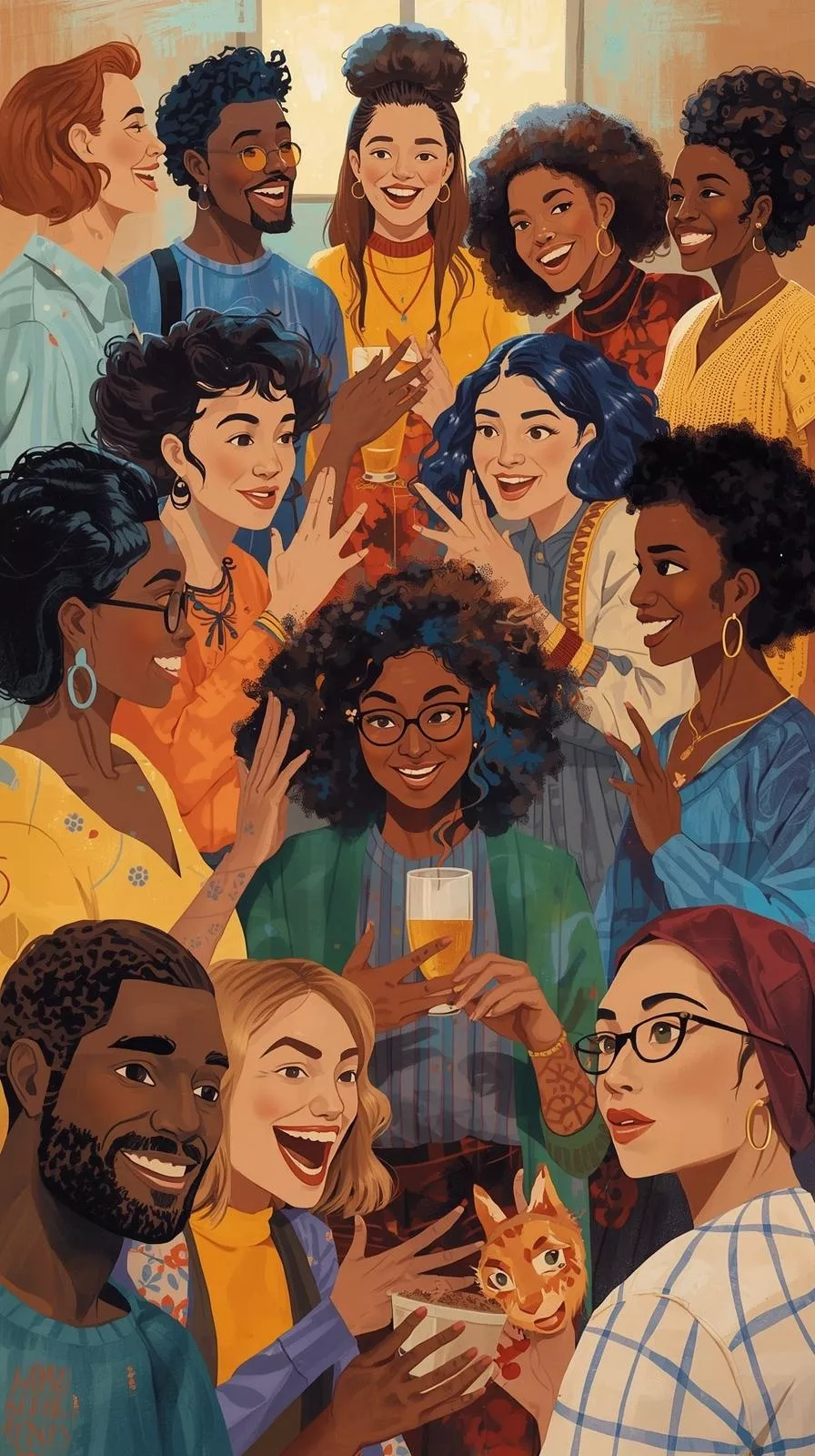
ENM isn’t for everyone, but when people choose it carefully it can spark big personal growth, better communication, and deeper connections.
The secret sauce is honest self-checking, nonstop clear talk, and caring about everyone’s wellbeing — kind of like learning a tricky team sport: practice, rules, and coaches help.

- How to Cope With Grief and Loss: A Compassionate Guide – 10/08/2026
- Love Bombing: Signs, Stages, and What to Do – 03/08/2026
- Signs of Anxiety Disorder in Adults You Shouldn’t Ignore – 29/07/2026







Leave a Reply