You’re not sad, exactly. You’re not angry. You’re not even sure what you are.
You just feel nothing. A hollow, flat, disconnected kind of nothing that’s hard to explain to anyone who hasn’t felt it. You go through the motions of your day, smile when you’re supposed to, say you’re fine when someone asks, and yet underneath it all, something is missing. Something you can’t quite name.
If you’ve been asking yourself, “why do I feel empty?”, you’re not alone, and you’re not broken.
Emotional emptiness is one of the most common and least talked-about human experiences. It can show up after a loss, during a major life transition, in the middle of a relationship, or seemingly out of nowhere on a random Tuesday afternoon. And because it doesn’t look like obvious sadness or crisis, many people suffer through it quietly for months or even years.
This guide will help you understand what emotional emptiness actually means, what’s driving it, how it connects to your mental health, and most importantly, what you can do to start feeling whole again.
Why Do I Feel Empty Inside? Understanding the Emotion Nobody Talks About
There’s a reason emotional emptiness is so hard to describe. Most emotional vocabulary we have is built around feeling something: happy, sad, angry, anxious. But emptiness sits outside that spectrum. It’s the absence of feeling, and that makes it strangely invisible.
People who feel empty often describe it as:
- Watching your own life from behind glass
- Going through the motions without any real investment in what you’re doing
- Feeling disconnected from people you used to feel close to
- Losing interest in things that once brought joy
- A persistent sense that something is missing, but you can’t identify what
Here’s something worth understanding early: feeling empty doesn’t mean your life has no value. It means something in how you’re living it isn’t aligned with who you really are or what you truly need. The emptiness is not the problem. It’s the signal pointing to the problem.
Why Do I Feel Empty for No Reason? The Most Common Causes
Emotional emptiness is rarely caused by one thing. It’s usually the result of several factors quietly stacking up over time. Here are the most common roots.

You’re Carrying Grief You Haven’t Processed Yet
Grief doesn’t always look like crying. Sometimes it looks like numbness. When we lose something important, whether it’s a person, a relationship, a job, or even a version of ourselves we thought we’d become, the emotional system can shut down as a form of self-protection. The emptiness you feel may be grief that hasn’t been given space yet.
You Feel Empty Inside Because You’ve Lost Touch With Who You Are
This is more common than most people admit. When you spend years living for others, meeting expectations, playing roles, and quietly suppressing your own needs and desires, you can lose contact with your authentic self. The emptiness that follows is essentially the space where that self used to live.
Your Relationships Feel Surface-Level and Unfulfilling
Human beings are wired for deep connection, not just socializing. When the relationships around you feel shallow, performative, or emotionally distant, a persistent hollowness settles in. You can be surrounded by people and still feel profoundly alone.
You Feel Empty and Lost Without a Sense of Purpose
When your life is just a series of tasks with no sense of why any of it matters, emptiness fills the gap. Purpose is not a luxury. It’s a psychological necessity. Without it, even a busy, productive life can feel hollow at its core.
Burnout Is Making You Feel Emotionally Empty and Numb
Long-term stress, burnout, and chronic overextension deplete your emotional reserves entirely. What can look like emptiness is often exhaustion at a cellular level: your nervous system has been running on overdrive for so long that it has shut down non-essential feeling to conserve energy. The flatness isn’t apathy. It’s depletion.
It Could Be Depression or Another Mental Health Condition
Emotional emptiness is also a hallmark symptom of depression, but it appears in other mental health conditions too, including anxiety disorders, borderline personality disorder, and dissociative states. If the emptiness is persistent, severe, or accompanied by other symptoms, speaking with a mental health professional is the most important step you can take.
When Feeling Empty All the Time Becomes a Warning Sign
Feeling emotionally flat from time to time is a normal part of life. But there are moments when emptiness is trying to tell you something more urgent.

Pay attention if:
- The feeling has lasted more than two weeks without lifting
- You’ve lost interest in nearly everything that used to matter to you
- You’re withdrawing from people and activities consistently
- You’re using alcohol, substances, or compulsive behaviors to numb or fill the void
- You’re having thoughts of self-harm or that life isn’t worth living
- Basic self-care feels impossible: eating, sleeping, showering
These are signs that the emptiness has crossed from signal into crisis territory. You don’t need to be in a dramatic breakdown to deserve support. Persistent emptiness is reason enough to reach out.
If you’re in crisis right now, please contact a crisis line. In the US, you can call or text 988 at any time.
Am I Depressed or Do I Just Feel Empty? Understanding the Difference
One of the most common questions people have when they feel this way is whether what they’re experiencing is depression, sadness, burnout, or something else entirely. It matters because the answer shapes what kind of support actually helps.
Sadness is a healthy, temporary emotion tied to specific events. It passes. It doesn’t usually stop you from functioning or finding moments of relief.
Burnout is physical and emotional exhaustion caused by sustained stress. It often presents as numbness, detachment, and cynicism, especially around work or caregiving.
Depression is a clinical condition that affects how you think, feel, and function across all areas of life for an extended period. It’s not just feeling low; it includes a loss of pleasure, changes in sleep and appetite, difficulty concentrating, and often a deep sense of worthlessness or hopelessness.
Emotional emptiness can be a symptom of all three, or it can exist independently as a response to identity loss, disconnection, or lack of meaning.
If you’re unsure which applies to you, that uncertainty alone is a good reason to speak with a professional. You don’t need a self-diagnosis before reaching out.
How to Stop Feeling Empty All the Time: What Actually Helps
There’s no single fix, and anyone who promises one is oversimplifying. But there are real, evidence-backed strategies that create genuine movement. The key is starting somewhere, even if it’s small.
Identify What the Emptiness Is Actually Hiding
Emptiness is often a cover emotion. Underneath it, there may be grief, loneliness, resentment, fear, or shame that hasn’t been acknowledged. Journaling without an agenda can help: just write whatever comes without trying to make it coherent or productive. You may be surprised what surfaces.
Use Movement to Reconnect With Your Body and Emotions
Emotional numbness often disconnects you from physical sensation too. Movement bridges that gap: walking, stretching, dancing, swimming, or any exercise you genuinely enjoy. You don’t need intensity. You need to inhabit your body again. Even a 20-minute walk outside changes your neurochemistry in measurable ways.
Stop Feeling Empty by Investing in One Real Connection
Not a party. Not a group chat. One genuine conversation with someone you trust, where you say something true and ask something real. Connection is one of the most powerful antidotes to emptiness, but it has to go beneath the surface to work.
Follow Whatever Still Feels Even Slightly Alive in You
When everything feels flat, look for whatever feels even marginally less flat. A subject that still sparks a flicker of curiosity. An activity where time passes without noticing. A cause that matters to you even a little. Follow those threads. Meaning is rarely found all at once; it’s built gradually through small acts of attention and engagement.
Treat the Root Cause, Not Just the Empty Feeling
If the emptiness is rooted in burnout, reduce your load; if it’s rooted in grief, give yourself permission to grieve; if it’s rooted in a lack of purpose, start exploring what matters to you; if it’s rooted in shallow relationships, invest in depth. Treating the surface feeling without addressing what’s underneath will only bring temporary relief.
Talk to Someone: When Feeling Empty Needs Professional Support
Therapy is not only for crisis. It’s one of the most effective tools for understanding and resolving emotional emptiness, especially when the cause isn’t obvious. A good therapist helps you identify what’s driving the void and gives you real tools to address it. If cost is a concern, look into sliding-scale therapists, community mental health centers, or platforms like Open Path Collective.
Why Do Some People Feel Empty More Than Others?
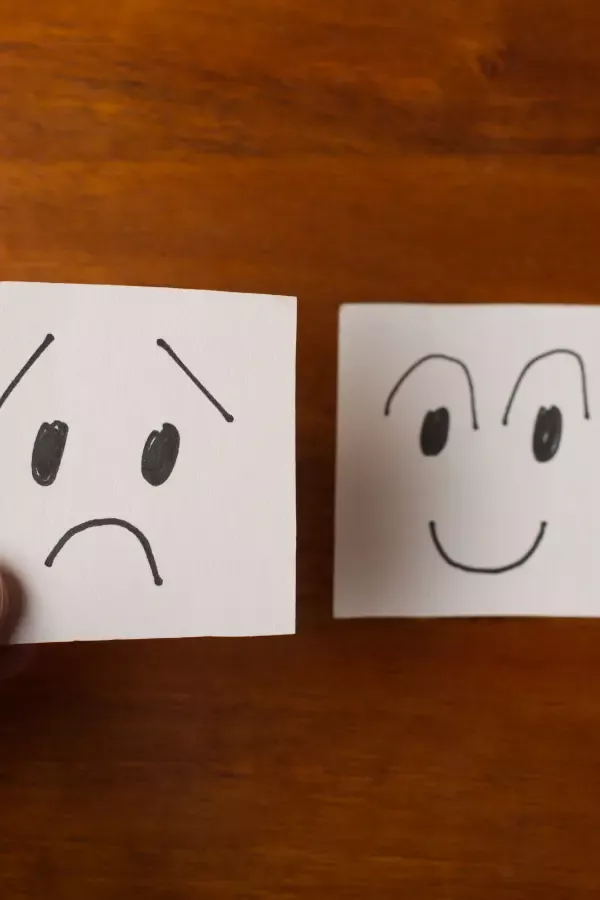
Emotional emptiness doesn’t show up equally. Certain life experiences and personality types are more prone to it.
People who grew up in emotionally invalidating environments, where their feelings were dismissed, minimized, or punished, often learn to disconnect from their emotions early. That disconnection becomes a default state in adulthood.
Highly sensitive people and those with strong empathic tendencies are also more vulnerable, particularly when they’ve been giving to others for a long time without receiving in return.
And people going through major identity transitions, leaving a long career, ending a marriage, becoming a parent, losing a parent, entering midlife, are especially susceptible. These transitions require you to grieve an old self before a new one can take shape. The in-between space often feels exactly like emptiness.
Conclusion
Feeling empty can be difficult to explain, especially when your life looks “fine” from the outside. But emotional emptiness is real, and it usually means something in your life needs attention: your mental health, your relationships, your sense of purpose, or the way you’ve been carrying stress and pain for too long.
If you’ve been asking yourself “why do I feel empty?”, don’t ignore the question. The feeling is not a personal failure. It’s a signal.
You don’t have to fix everything overnight. Small steps matter: reconnecting with people, being honest about how you feel, giving yourself rest, exploring what brings meaning back into your life, or reaching out for professional support when needed.
The emptiness won’t last forever. And you don’t have to navigate it alone.
Frequently Asked Questions
What does it mean when you feel empty?
Feeling empty is your inner world signaling that something is out of alignment. It can mean you’re carrying unprocessed grief, living disconnected from your authentic values and identity, lacking meaningful relationships or purpose, experiencing burnout, or dealing with an underlying mental health condition like depression. It’s not a character flaw. It’s information worth taking seriously.
What is the first stage of a mental breakdown?
The earliest signs typically include persistent exhaustion that sleep doesn’t fix, emotional numbness or detachment, increased irritability over small things, difficulty concentrating, withdrawal from social contact, and a growing sense of overwhelm or dread. Many people describe this stage as feeling empty or “checked out” before anything more visible occurs. Recognizing these signs early and seeking support gives you the best chance of course-correcting before it escalates.
How do I stop the feeling of emptiness?
Begin by identifying the likely root: grief, burnout, identity loss, disconnection, lack of purpose, or a mental health condition. From there, practical steps include journaling to surface buried emotions, reconnecting with your body through movement, seeking genuine human connection, exploring what still holds even faint meaning for you, and speaking with a therapist if the feeling persists. There’s no overnight solution, but consistent small actions accumulate into real change over time.
Am I depressed or just sad?
Sadness is a temporary, healthy response to specific circumstances. It passes and doesn’t typically stop you from functioning. Depression is a persistent condition lasting at least two weeks that affects your ability to function, feel pleasure, sleep, eat, and think clearly. Emotional emptiness can be a symptom of both, but the distinction matters for treatment. If you’re unsure, speaking with a doctor or therapist is the most reliable path to clarity.
Which gender cries the most?
Research shows that women cry more frequently on average, roughly 3 to 5 times per month, compared to 1 to 2 times for men. However, this gap is largely shaped by social conditioning rather than fundamental emotional difference. Men are often taught from a young age to suppress emotional expression, which means their pain tends to convert into numbness, anger, or physical symptoms rather than tears. That suppression is one reason men are disproportionately likely to describe feeling emotionally empty without knowing why.








Leave a Reply