Imagine this: it’s 11 PM, and you’re checking your phone—not because you want to, but because you feel like you have to. You skipped lunch, your head hurts, and somehow being exhausted feels like an achievement. Yeah… that’s grind culture.
You’ve probably seen it everywhere—“hustle harder,” “no days off,” “rise and grind.” It sounds motivating at first, but here’s the truth: it’s one of the sneakiest ways people burn themselves out while thinking they’re doing the right thing.
This article breaks it all down—what grind culture really is, where it came from, and why it might be costing you more than you think.
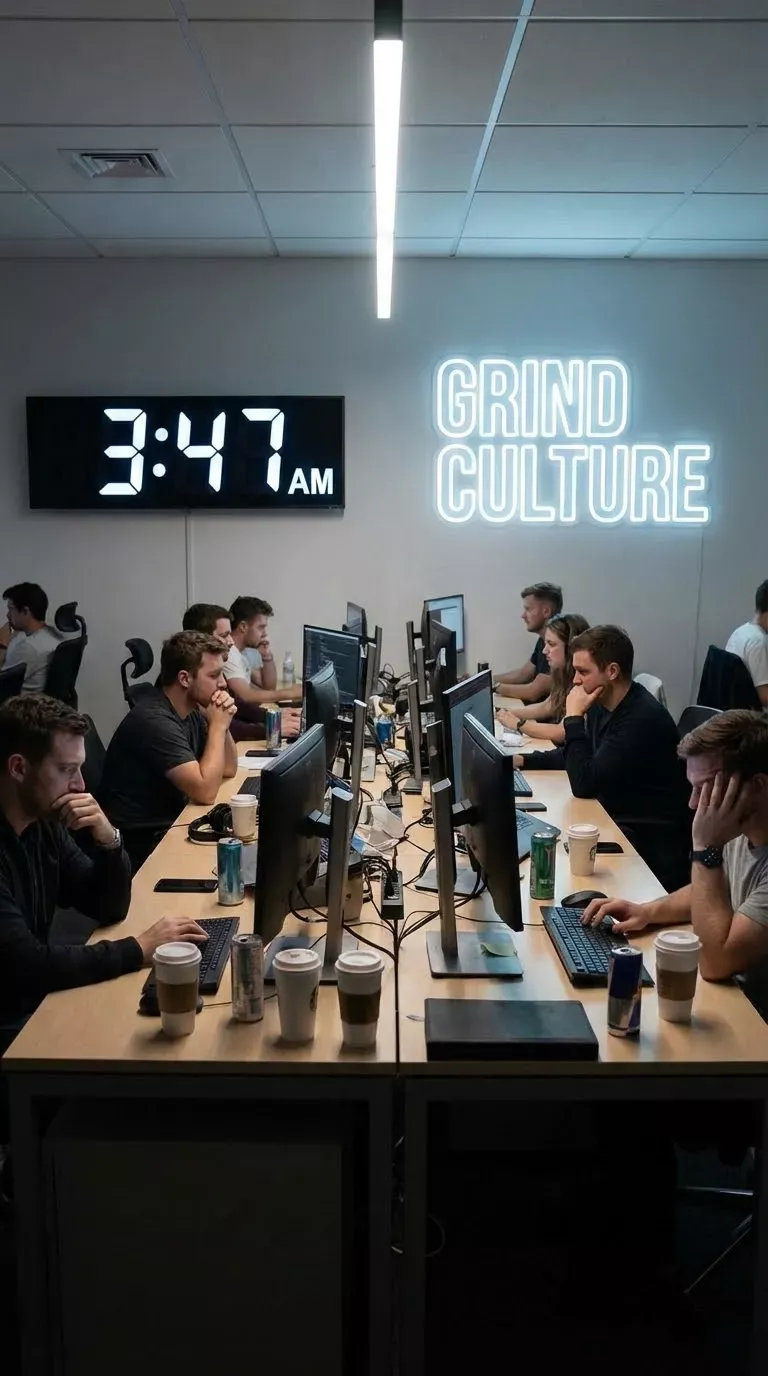
Defining Grind Culture
At its core, grind culture (or hustle culture) is the idea that you have to work all the time to succeed. Like, if you’re not busy every second, you’re somehow falling behind.
It tells you that rest = laziness. That logging off “on time” means you don’t care enough. And in its worst form? It makes burnout look like a trophy.
People stuck in this mindset often tie their self-worth to how much they get done. It’s like turning your life into a never-ending homework assignment—except no one ever says you’re finished.
Here’s what it usually looks like:
- Working crazy long hours (way more than you should)
- Feeling like you always need to be “on,” even during weekends or holidays
- Thinking your value = your productivity
- Feeling guilty for resting or doing something just for fun
- Treating exhaustion like proof you’re doing life “right”
And honestly? That’s not success—that’s just being tired all the time.
The Origins of Grind Culture
Grind culture did not just pop up one day like a bad app update. It started way back in the Industrial Revolution, when workers were pushed through brutal hours and terrible conditions. Over time, the message became clear: if you want to survive, you have to give your whole life to work.
Then the “American Dream” came along and made it sound noble—like if you just worked hard enough, you could win at life. Big companies loved that idea, so working late, staying online, and acting “always available” became the badge of honor.
Later, the tech world turned it into a full-on personality. Startups bragged about all-nighters and pizza-for-dinner work marathons like that was peak ambition. Then social media made it even louder. Suddenly, people were flexing 5 AM routines and 16-hour days like it was a superpower.
And now? The gig economy keeps the pressure on. When your money depends on nonstop hustle, rest starts to feel like a guilty luxury instead of a basic human need.
The Real Costs: What Grind Culture Does to Your Health
Here’s the part nobody puts on Instagram: grinding all the time doesn’t make you a hero—it slowly wrecks you. It’s like trying to run your phone at 1% battery all day… eventually, it just shuts down.
Mental Health
Constant stress from overworking messes with your head. Anxiety, burnout, feeling like you’re never “enough”—that’s the real side of hustle culture. Imagine doing homework 24/7 and still feeling behind. That’s how a lot of people live every day.
Physical Health
Your body keeps score, whether you like it or not. Too much work and not enough rest can lead to serious problems—heart issues, bad sleep, getting sick more often. It’s like never letting your body “save the game”… eventually, it crashes.
Relationships and Social Life
When work takes over, people get pushed aside. Missed birthdays, canceled plans, “sorry, I’m busy” texts over and over. At some point, it’s not just your schedule that’s empty—it’s your connections too.
Productivity Itself
And here’s the biggest plot twist: grinding too much actually makes you worse at what you do. You think slower, make worse decisions, and lose creativity. So all that “hustle harder” energy? It ends up backfiring.
Grind Culture in the Workplace: How Organizations Perpetuate It
Grind culture is not just about individuals—it’s baked into how a lot of companies operate. Think about workplaces where staying late makes you look like a “hard worker,” but leaving on time makes people raise an eyebrow. That’s not ambition—that’s pressure disguised as praise.
Some companies reward being seen working instead of actually getting good results. So people stay online longer, reply faster, and basically act like humans… but on “24/7 mode.” Sounds exhausting, right?
And it backfires. When a workplace pushes nonstop hustle, people burn out, quit, or just mentally check out. Imagine a team where everyone’s tired, stressed, and secretly job-hunting—that’s what grind culture creates.
Here’s the wild part: a lot of people would literally take less money just to have more time to live their lives. That says everything.
There’s also a generational clash happening. Older workers sometimes question the whole “work yourself to death” idea, while younger people grew up seeing hustle culture everywhere—but are now the loudest voices saying, “This isn’t healthy.”
So yeah, workplaces are starting to change… but not without a fight.
Breaking Free: 7 Practical Steps to Escape Grind Culture
Walking away from grind culture doesn’t mean you’re giving up on your dreams. It means you’re choosing to actually enjoy your life while chasing them. You don’t need to burn yourself out to prove you care.
Here’s how to start—real, practical steps you can actually follow:
1. Set Clear Working Hours — and Honor Them
Pick a start time and an end time—and stick to it like it matters (because it does). If you keep saying “just one more thing,” your workday will never end. Your time off is not a reward—it’s a right.
2. Track Your Time Honestly
Ever feel busy all day but don’t know what you actually did? Yeah, same. Track your time for a few days—you might realize you’re spending energy on stuff that doesn’t even matter. That’s your chance to fix it.
3. Prioritize Sleep as a Performance Tool
Sleep isn’t for the “lazy”—it’s for people who want to function like actual humans. Think of it like charging your brain. No charge = laggy performance, bad decisions, and zero creativity.
4. Build a Log-Off Routine
Don’t just slam your laptop shut and scroll your phone. Give your brain a signal that work is done. Go for a walk, eat something good, listen to music—anything that tells your body, “Hey, we can chill now.”
5. Invest in Your Relationships
Text your friends. Hang out with your family. Laugh a little. These aren’t “distractions”—they’re the stuff that makes life feel real. No one looks back and wishes they spent more time answering emails.
6. Reframe What Success Means to You
Success isn’t just money or job titles. It’s also being healthy, having people who care about you, and waking up not hating your life. Don’t let the internet trick you into thinking there’s only one way to win.
7. Seek Support When You Need It
If you’re constantly tired, stressed, or just feel “off,” don’t ignore it. Talk to someone—friend, mentor, or professional. You don’t get extra points for struggling in silence.
At the end of the day, success should not cost you your health, your happiness, or your peace. You’re allowed to want more and take care of yourself at the same time.
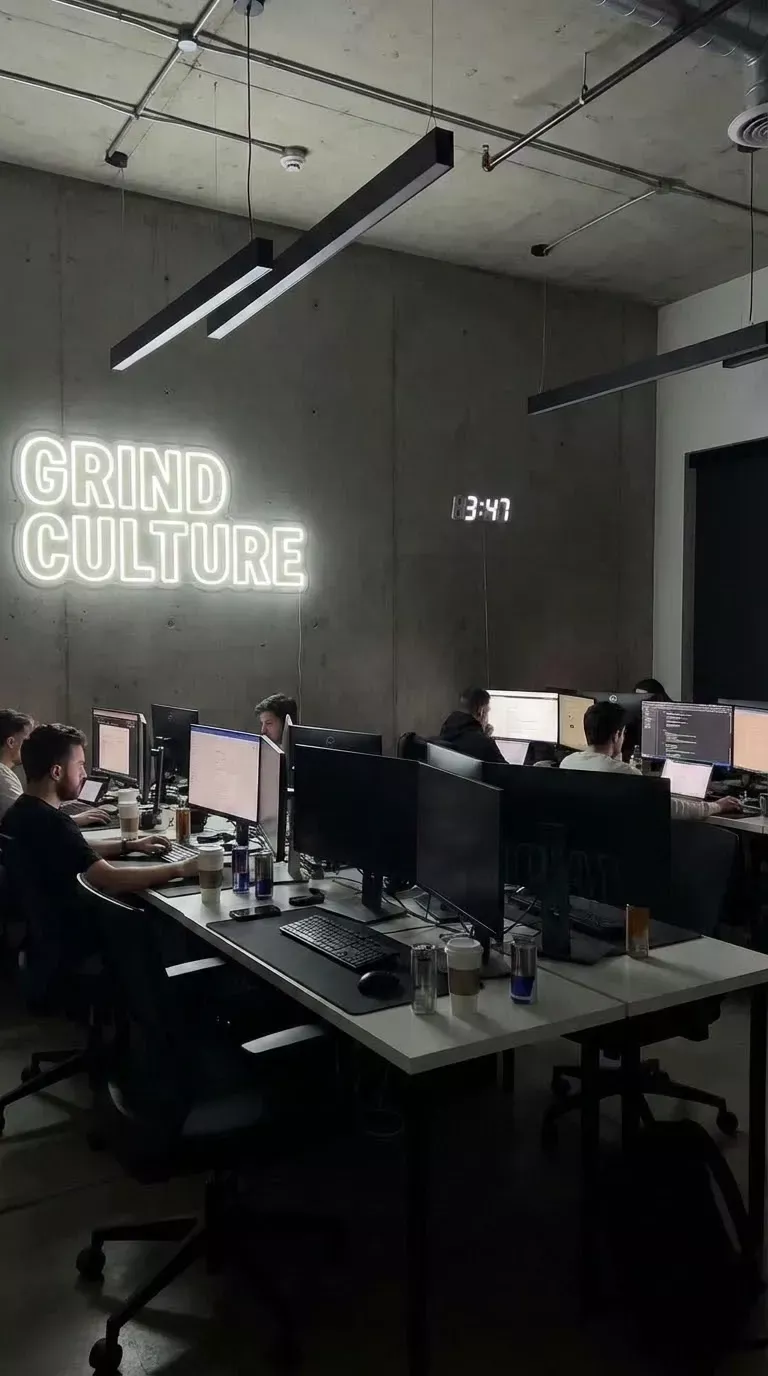
What Organizations Can Do
Let’s be real—this isn’t just on you. Companies play a huge role in creating (or fixing) grind culture. If a boss sends emails at midnight, guess what? Everyone feels like they have to reply. It’s like a group chat you can’t mute.
Here’s what good companies actually do:
- Leaders walk the talk—they log off, take breaks, and don’t act like work is life
- They don’t expect you to reply at 10 PM unless something is actually on fire
- They offer real mental health support—not just a random “stay positive” email
- They care about what you get done, not how long your green dot is on
- They actually want you to take your days off (yes, guilt-free)
Basically, they treat people like humans—not machines.
The Future of Work Is Human
Grind culture sold us a lie: that success means sacrificing your sleep, your health, and your life. But look closer—and you’ll see where that road leads… straight to burnout.
Now, more people (especially younger ones) are saying, “Yeah, no thanks.” And that’s a good thing.
The future? It’s not about working yourself to death. It’s about working smart, resting without guilt, and building a life that actually feels good to live.
Here’s the truth I wish more people told you earlier: Your life is worth more than how much you produce.
And honestly? The most rebellious thing you can do right now… is start acting like it.

- How to Cope With Grief and Loss: A Compassionate Guide – 10/08/2026
- Love Bombing: Signs, Stages, and What to Do – 03/08/2026
- Signs of Anxiety Disorder in Adults You Shouldn’t Ignore – 29/07/2026







Leave a Reply